Napoleonic code
The Napoleonic code is a legal doctrine that Stanley Kowalski repeatedly invokes in A Streetcar Named Desire to claim authority over his wife Stella's property and to justify his aggressive interrogation of Blanche DuBois. It becomes a central symbol of the conflict between the DuBois sisters' aristocratic heritage and Stanley's working-class pragmatism, and it ultimately exposes the economic and ideological fault lines that drive the play's tragedy.
Definition and Stanley's Invocation
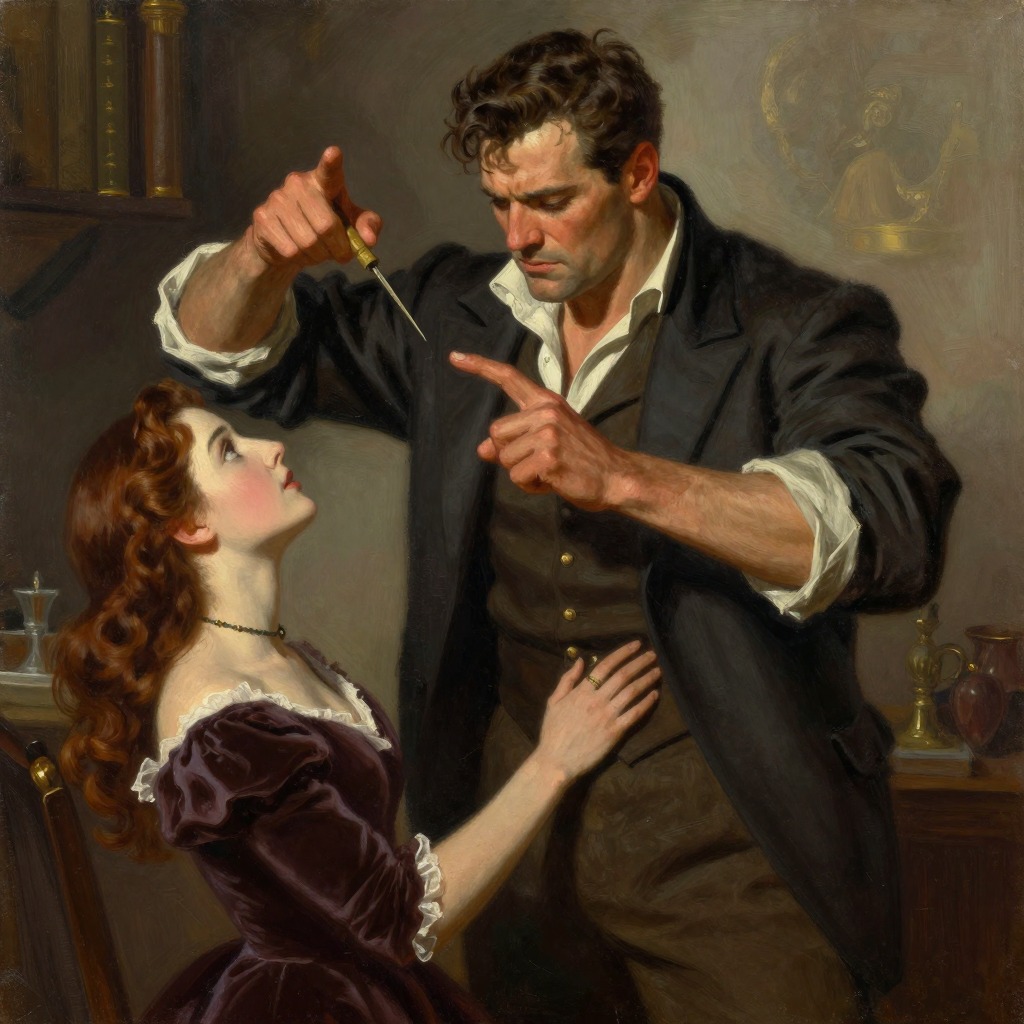
Stanley first mentions the Napoleonic code in Scene Two, when he learns that Belle Reve, the DuBois family plantation, has been lost. He tells Stella, "In the state of Louisiana we have the Napoleonic code according to which what belongs to the wife belongs to the husband and vice versa" . He uses this principle to demand that Blanche produce the deed of sale or other papers, insisting that he has been "swindled" because any loss of Stella's property is also his loss . Later, in the same scene, he repeats the phrase directly to Blanche, saying, "There is such a thing in this State of Louisiana as the Napoleonic code, according to which whatever belongs to my wife is also mine—and vice versa" . After Blanche hands over a box of legal documents, Stanley becomes somewhat sheepish and explains, "You see, under the Napoleonic code—a man has to take an interest in his wife's affairs—especially now that she's going to have a baby" . This invocation frames his suspicion not as personal hostility but as a husband's legal duty.
Symbol of Class Conflict
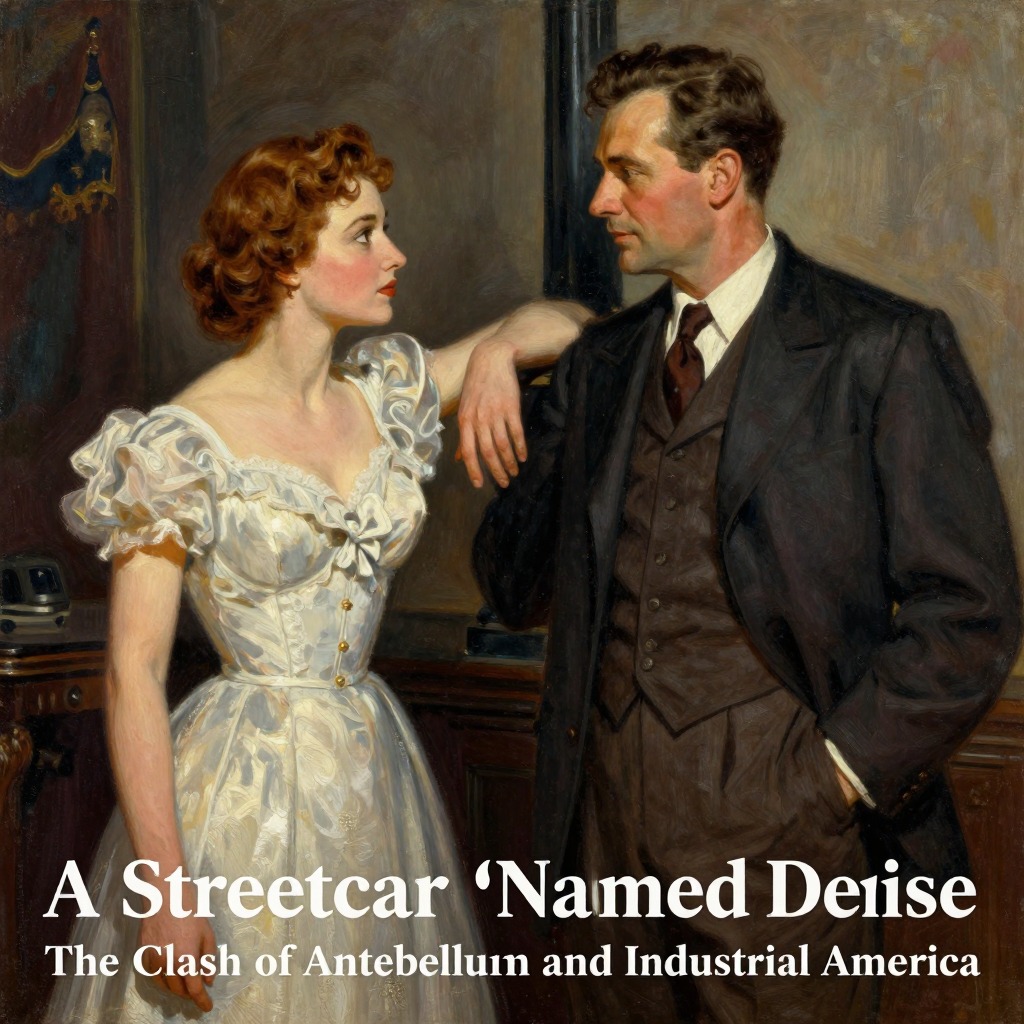
The Napoleonic code crystallizes the fundamental opposition between the Kowalskis and the DuBois. When Stella angrily tells Stanley, "The Kowalskis and the DuBois have different notions" , she is acknowledging that his legalistic, possessive worldview is incompatible with her family's genteel, land-based sense of honor. Blanche, in her tirade the morning after the poker night, articulates the same divide in more visceral terms: she calls Stanley "common," says he "acts like an animal, has an animal's habits," and describes him as "survivor of the stone age" . The Napoleonic code is the legal instrument through which Stanley's "common" worldview asserts itself over the DuBois legacy. Later, during the birthday supper confrontation, Stanley himself recalls the class dynamic: "When we first met, me and you, you thought I was common. How right you was, baby. I was common as dirt. You showed me the snapshot of the place with the columns. I pulled you down off them columns and how you loved it" . The code is the mechanism of that pulling-down.
Connection to Gothic and Traumatic Imagery
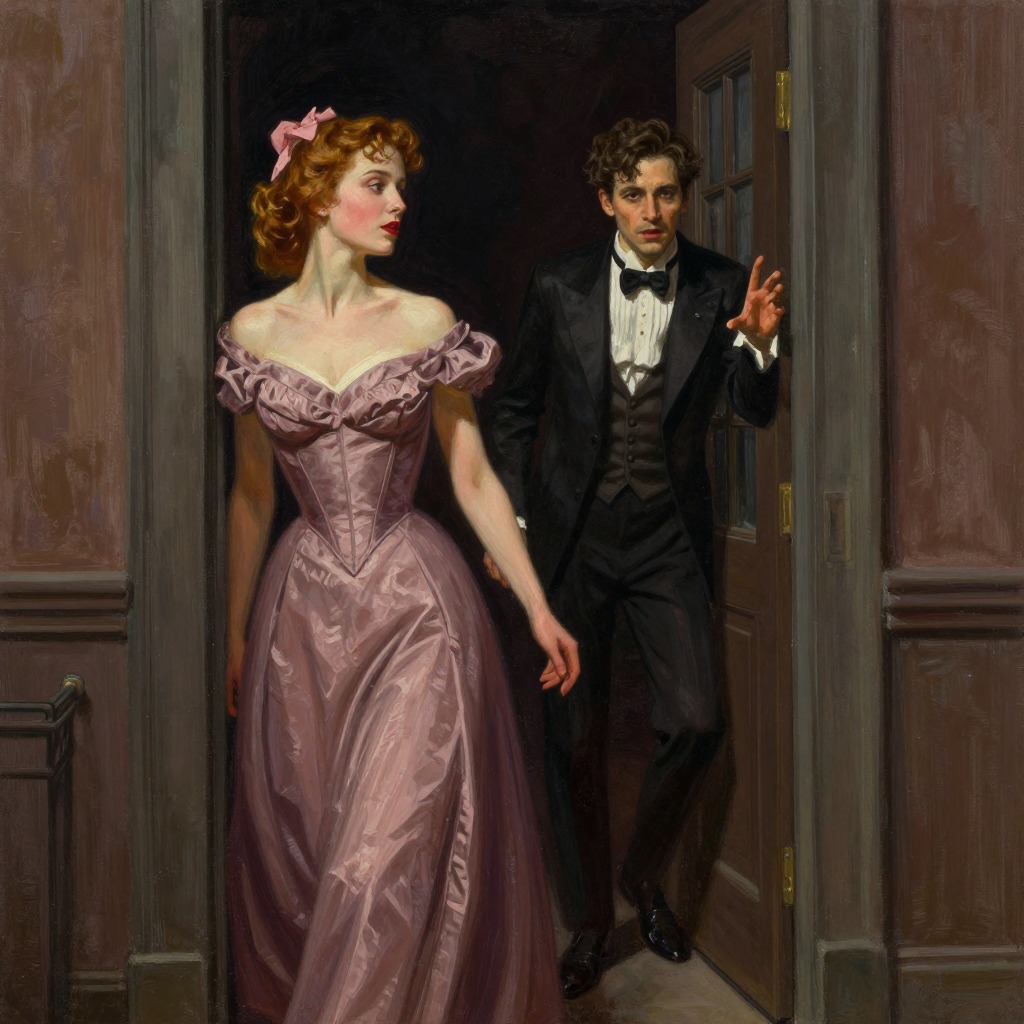
The play's Gothic atmosphere—the decay of Belle Reve, the deaths of family members, the haunting memory of Allan Grey's suicide—stands in stark contrast to the cold legal rationality of the Napoleonic code. Blanche's description of Belle Reve's loss is filled with Gothic horror: "All of those deaths! The long parade to the graveyard! Father, mother! Margaret, that dreadful way! So big with it, it couldn't be put in a coffin! But had to be burned like rubbish!" . She later reveals that her young husband Allan Grey shot himself after she confronted him about his homosexuality, an event that continues to torment her . The Mexican Woman's cry of "Flores para los muertos" and the lurid reflections that appear on the walls during Stanley's rape of Blanche further deepen the Gothic texture. The Napoleonic code, with its dry legal language, is the antithesis of this world of blood, memory, and terror—yet it is the code that ultimately prevails, as Stanley's material power overrides Blanche's fragile claims to refinement and tragedy.
Narrative Role and Significance
The Napoleonic code functions as a narrative device that exposes the economic stakes beneath the play's personal conflicts. It transforms what might seem like a private family dispute over lost property into a structural confrontation between two incompatible value systems: the DuBois world of inherited land, poetry, and social grace, and the Kowalski world of wage labor, legal rights, and physical dominance. Stanley's invocation of the code is not merely a plot point; it is the legal language through which the old South is finally dispossessed by the new industrial order. The code's repeated appearance—in Scene Two, in the birthday supper scene, and in the final confrontation—marks the progressive erosion of Blanche's last defenses, culminating in her removal to a mental institution. In this sense, the Napoleonic code is not just a law but a verdict: it pronounces that in the world of the play, the values of Belle Reve have no standing.